
7 Unmistakable Gas Leak Signs and Symptoms to Keep Your Redcliffe Property Safe
- Same-Day Service
- Payment Plans Available
- 12-Month Workmanship Guarantee
- Fully Licensed & Insured
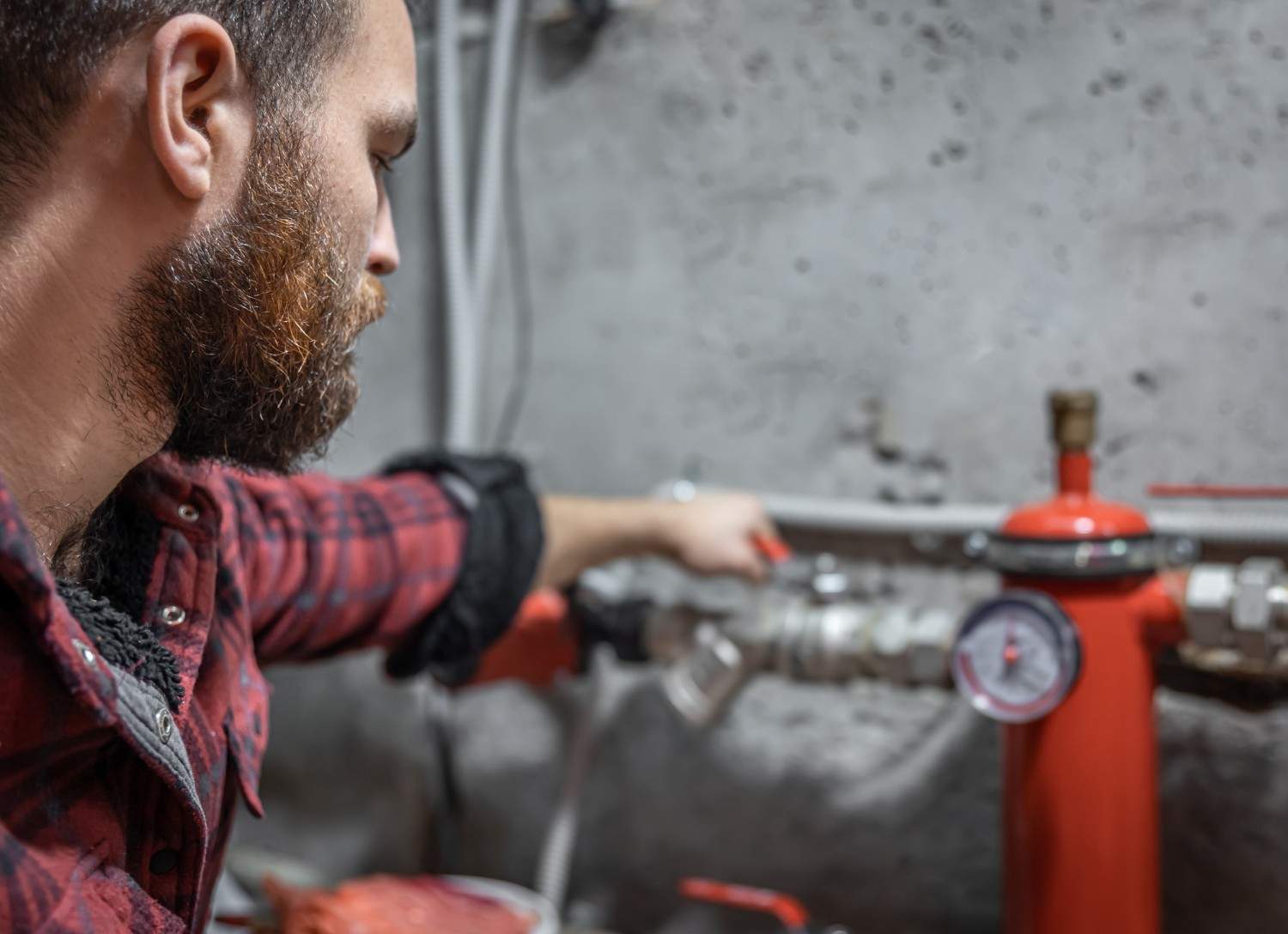
The most common gas leak signs and symptoms are sensory warnings you can smell, hear, see, or physically feel inside your home. If you notice any of them in your property in Redcliffe, Scarborough or surrounding areas, ventilate the room, shut off the gas at the meter, and call a QBCC licensed gas fitter who tests to AS/NZS 5601.
Gas leaks rarely announce themselves with a loud bang. They start as small signals your home gives you first, often weeks before any real danger, and missing them is what turns a minor fitting fix into an emergency. This guide walks through each warning sign, how to verify it, the exact 60-second response steps, and when detection alone is not enough and a full gas repair is needed.
1. Rotten Egg Smell Near Appliances
A sulphur or rotten egg smell near a stove, oven, gas hot water unit, or wall cavity is the clearest sign of a gas leak. Natural gas and LPG are both odourless, so suppliers add a chemical called mercaptan at roughly one part per million to make a leak detectable by the human nose. The same additive is used in bottled LPG common in Redcliffe and Scarborough rentals, so the smell rule covers both fuel types.
The smell tends to concentrate at floor level for LPG and at ceiling level for natural gas, because LPG is heavier than air and natural gas is lighter. If the odour fades after a few minutes, the leak is not gone, your nose has simply adapted, which is called olfactory fatigue. Treat any lingering odour as a confirmed leak, leave a window open, avoid striking matches or using extractor fans, and book a licensed gas fitter who can clear the system with an electronic gas detector.
2. Hissing or Whistling Sound from Pipes or Connections
A steady hiss behind a wall, under the floor, or near an appliance fitting almost always means gas is escaping through a pinhole or a loose flare nut. The sound is constant, similar to a distant kettle, and it is one of the most reliable gas leak signs when the smell is masked by cooking fumes. A licensed gas fitter confirms the leak with a manometer pressure drop test over five minutes before opening the wall. If the noise changes when you move an appliance, book a gas leak detection visit the same day.
3. Yellow or Orange Flame Instead of Blue
A yellow or orange flame on your cooktop, oven, or gas heater means incomplete combustion, which produces carbon monoxide. A healthy flame is crisp blue with a small inner cone. Carbon monoxide above 70 ppm causes headaches within two hours, and above 150 ppm causes disorientation, yet the gas itself is colourless and odourless so the flame colour is often the only warning.
Soot on the burner, black scorch marks on tiles, or condensation on nearby windows during cooking all confirm the air to fuel ratio is wrong. The cause is usually a blocked burner port, a worn injector, or a dirty pilot assembly that a gas fitter can clean or replace in one visit. Do not run the appliance again until it has been serviced. Book a gas appliance service before the next use.
4. Dead Grass or Yellowing Plants Above a Gas Line
A circular patch of dead grass or wilting shrubs above your service line points to gas escaping into the soil. Most Redcliffe Peninsula properties run a polyethylene service pipe from the street main to the meter under the front yard at a depth of roughly 450 mm. Leaking gas displaces oxygen at the root zone and kills vegetation in a clear ring within three to four weeks. If irrigation has not changed and one patch is browning, treat it as a buried pipe leak and book a pressure test rather than a re-tighten.
5. Sudden Spike in Your Gas Bill
A sharp rise in gas usage with no cold snap, new appliance, or extra household member means gas is leaving the system somewhere it should not. The diaphragm meter on your wall records every megajoule that leaves the supply pipe, so the bill is the most reliable signal of a slow leak. Many Scarborough rental owners catch slow leaks this way long before any smell or sound appears. Compare your last three quarters of usage on your retailer bill, and if the jump is over 20 percent without a clear reason, book a manometer test.
6. Headaches, Dizziness or Nausea Indoors
Headaches, dizziness, fatigue, or nausea that clear within fifteen minutes of stepping outside are among the most overlooked gas leak signs and symptoms. The cause is usually carbon monoxide from incomplete combustion in a gas heater, oven, or hot water unit. Pets behaving oddly is another early signal because their faster breathing rate shows effects first.
Bedrooms above an internal garage or near a gas hot water unit show symptoms first because the air there refreshes slowest. If two or more people feel the same symptoms in the same room, leave the property, open every door and window, and avoid any ignition source on the way out. Call a 24/7 emergency plumber on 0457 857 586. Seek medical attention if symptoms persist outdoors for more than thirty minutes.
7. Bubbles on a Soapy Pipe Joint or Dust Blowing Near a Line
Steady bubbling when you brush soapy water over a pipe joint confirms gas is escaping under pressure. The soap test is the oldest field check used alongside an electronic gas detector and a manometer pressure drop test. Mix one part dish soap to one part water in a spray bottle, coat the joint, and watch for bubbles that grow rather than pop. A single growing bubble is enough confirmation to shut the gas off.
Outside, a small dust cloud or dirt blowing near the meter shows a high pressure leak in the buried supply pipe. Do not attempt to tighten the fitting yourself because flare connections that fail once usually need a new olive and brass seat to seal again. Call a licensed gas fitter in Scarborough to repair the joint and reissue a certificate of compliance.
First 60 Seconds: What to Do If You Smell Gas
Ventilate the space, shut off the gas at the meter, leave the property, then call a licensed gas fitter. The five steps below align with Energy Safe guidance for both natural gas and LPG.
- Do not switch any electrical device on or off, including light switches and mobile phones inside the room.
- Open every door and window to ventilate.
- Turn the gas off at the meter. The handle is OFF when it sits across the pipe at a right angle.
- Leave the property with everyone inside, including pets.
- Call Coffison Plumbing & Gas for 24/7 response across Redcliffe, Moreton Bay and North Brisbane.
- A QBCC licensed gas fitter then pressure tests the system to the Australian standard for gas installations, and issues a certificate of compliance before you re-enter.
Signs You Need a Gas Repair, Not Just a Leak Check
You need a full repair when the same fitting has leaked twice, an appliance over ten years old shows a yellow flame, or a manometer test drops more than 1 kilopascal over five minutes. Detection finds the leak, repair replaces the failed part, and a certificate of compliance closes it out. Most jobs we attend in Redcliffe and Scarborough are perished olive fittings on copper lines installed before 2005. Book a gas repair visit rather than another temporary tighten.
Our Services
- Emergency Plumbing
- Hot Water Systems
- Drainage
- Water Leak Detection
- Burst Pipe
- General Plumbing
- Strata & Body Corporate
- Pre Purchase Plumbing Inspections
- Commercial Plumbing
- Gas Leak
- Gas Repair
- Gas Appliance Installation
- Water Filtration Installation
- Pipe Relining
- Hydro Jet Drain Cleaning
- Stormwater Drain Repair
Book a QBCC Licensed Gas Fitter in Redcliffe or Scarborough
If you have noticed any of these signs and symptoms of a gas leak in your home or business, act before the smell gets worse. Coffison Plumbing & Gas is a QBCC licensed team (Lic. 15276567) covering the Moreton Bay region 24/7 with same-day service and a twelve month workmanship guarantee.
Frequently Asked Questions
Smell for rotten eggs, listen for a hiss near appliances, check the stove flame is blue, and watch for headaches that clear outdoors.
Headaches, dizziness, and nausea indoors, plus a rotten egg smell, hissing sounds, yellow stove flame, and dead plants above the service line.
Low level exposure causes headaches within one to eight hours. Carbon monoxide above 150 ppm triggers dizziness in minutes. Pets and children react first.
Most Queensland policies cover sudden damage like fire or explosion. Gradual leaks and unlicensed work are excluded. Keep your QBCC certificate of compliance.
Call Coffison Plumbing & Gas on 0457 857 586, available 24/7 across Redcliffe, Scarborough, and Moreton Bay. Contact us here.
A persistent hissing or whistling sound near a gas connection usually means gas is escaping under pressure. This is one of the most distinct gas leak signs and symptoms that requires an immediate professional inspection.