
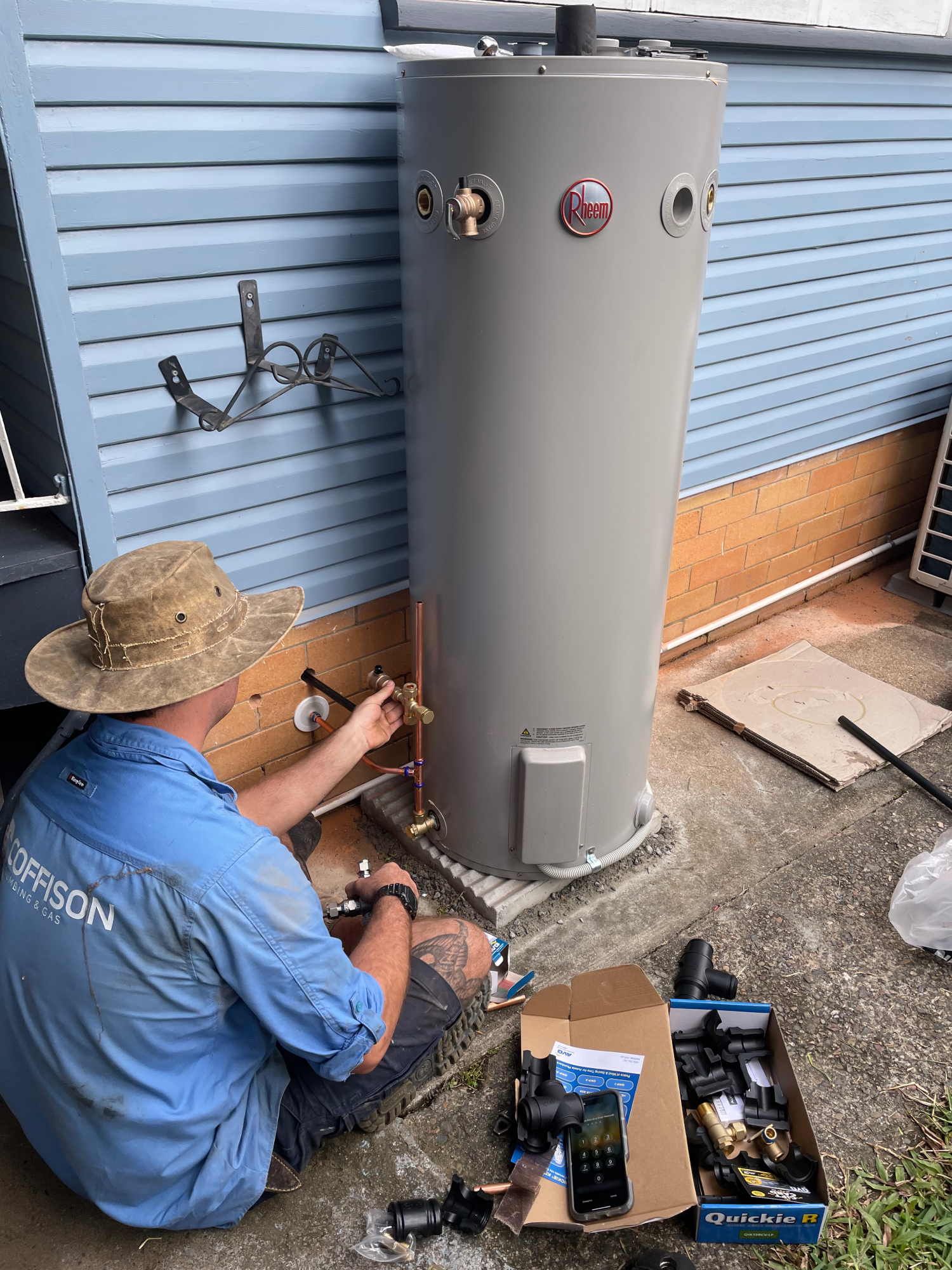
Hot water is the one comfort people rarely think about until the morning shower turns cold or the commercial kitchen loses its heat supply mid-service. Households and businesses rely on steady water temperature every day, yet many owners are unsure how often a hot water system should be serviced, or why routine checks matter in Australia’s climate. In truth, a well-maintained unit lasts longer, performs safely, and helps prevent sudden breakdowns that disrupt daily life. This guide explains the ideal service schedule, signs your system needs attention, and what Australian standards recommend for long-term reliability.
Both residential and commercial settings rely heavily on hot water. Homes benefit from smooth temperature control, while businesses such as restaurants, salons, clinics, and accommodation venues need dependable heat for hygiene, compliance, and customer comfort.
Because of these demands, it becomes important to understand how often a hot water system is serviced so the system remains safe and efficient. Servicing ensures valves operate correctly, safety components function as intended, and heating elements stay in good condition.
Most plumbers recommend a general check every 12 months for both gas and electric systems. This aligns with manufacturer instructions and reflects how regularly heaters are used in Australia. A yearly service allows a licensed technician to review temperature settings, test the pressure relief valve, inspect the anode rod, and check for leaks or corrosion.
Understanding how often a hot water system is serviced helps property owners keep their system stable while extending its lifespan. Commercial sites may require more frequent checks depending on usage levels.
Many people also ask if hot water systems need servicing if the system seems to run well. Even efficient units benefit from regular assessments because issues can develop slowly inside the tank. Preventative checks reduce the chances of costly repairs later.
A routine service focuses on efficiency, safety, and early detection of wear. A qualified plumber inspects temperature settings, confirms that safety valves open correctly, checks for scale buildup, and monitors the function of heating components. During this process, they also address signs of corrosion, connection points, and the overall health of the tank or heat pump. Each step supports the goal of ensuring a long-lasting, reliable system. Commercial clients often ask if hot water systems need servicing more often due to heavier demand, and the answer depends on daily usage and water quality in the area.
While yearly servicing is the ideal standard, certain behaviours indicate the need for an immediate inspection. If water takes longer to heat, turns cold unexpectedly, or shows unusual coloration, it may be time to determine how often a hot water system is serviced based on your system’s age. Noises such as boiling or popping may suggest sediment buildup. Leaks around the system or a spike in energy bills can also signal internal strain. These indicators reinforce why hot water systems need servicing remains a relevant question for both homeowners and business operators.
Different hot water systems age and perform differently. Electric systems generally need standard annual checks. Gas systems often require a slightly more detailed review because gas components must meet safety standards. Heat pumps need maintenance of both plumbing and refrigeration parts, and solar systems benefit from additional checks on panels, valves, and circulation pumps. Regardless of the model, the question of how often a hot water system is serviced still centres on consistency, safety, and avoiding unexpected breakdowns.
Australia’s water quality varies widely from region to region. Areas with hard water cause faster mineral buildup, which means inspections may need to occur more frequently. Coastal regions experience different wear due to air quality, moisture, and mineral content.
When people ask if hot water systems need servicing more often in certain areas, the answer often depends on these environmental conditions. Regular checks protect the system from damage while supporting efficiency.
Ignoring yearly servicing shortens the lifespan of the system and increases the chances of leaks or sudden failures. Tanks may experience pressure valve issues, corrosion, or scale buildup, leading to safety concerns. Understanding how often a hot water system is serviced helps avoid these risks and ensures that households and businesses maintain stable access to hot water. Since hot water is an essential part of everyday life, preventative care remains the best way to stay ahead of unexpected breakdowns.
Consistent servicing reduces the need for large repairs and extends the life of the system. Efficient systems also use less energy, which lowers electricity or gas bills.
Many business owners ask if hot water systems need servicing to justify regular maintenance costs. In reality, the saings created by lower operating expenses and fewer breakdowns often outweigh the small annual service fee. Households experience similar benefits, especially for older systems nearing the end of their lifespan.
While servicing extends longevity, older heaters eventually reach the point where replacement becomes the better investment. If your plumber has answered how often a hot water system is serviced repeatedly but still notices recurring faults, rising repair costs, or reduced performance, it may be time for an upgrade. A professional can help assess whether the system still meets your household or business needs.
Keeping a reliable hot water supply begins with knowing how often a hot water system should be serviced, and regular checks create a safer and more efficient system for every home and business. If you have been wondering if hot water systems need servicing or whether your system is overdue for attention, Coffison Plumbing & Gas offers helpful advice and dependable support.
Most households benefit from yearly checks. Understanding how often a hot water system is serviced helps extend system life and improve performance.
Yes. Hot water systems need servicing regularly because internal parts wear gradually, and early detection prevents costly repairs.
A licensed plumber can assess system age and usage to determine how often a hot water system is serviced for your property.
Yes. High demand often means hot water systems need servicing more frequently in commercial environments.
Ignoring how often a hot water system is serviced can lead to corrosion, leaks, and sudden failures.
If water temperature fluctuates or the unit makes unusual noises, consider whether hot water systems need servicing sooner than usual.